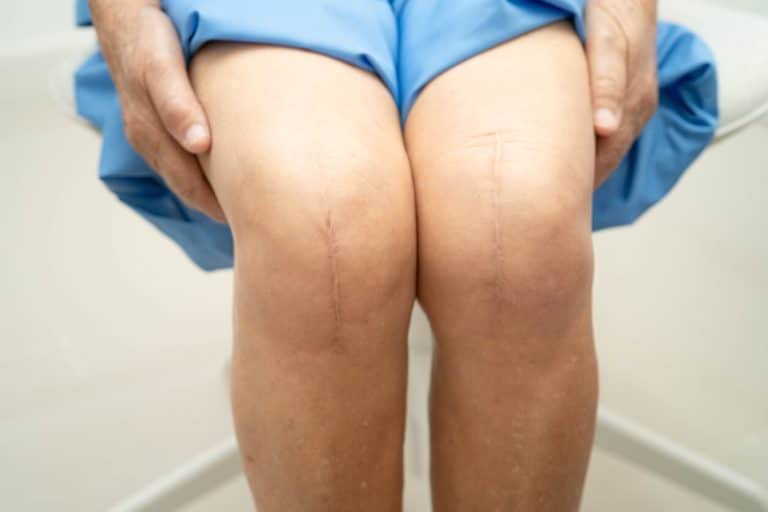

Muscle-sparing knee replacement is recommended for patients with knee arthritis, osteonecrosis, rheumatoid arthritis, or severe knee injury when conservative treatments no longer provide relief. In short, Knee pain that makes it hard to walk, climb stairs, or even stand up from a chair is not something anyone should have to accept as permanent. About 790,000…
Blog
How Are Trigger Finger and Tennis Elbow Treated?
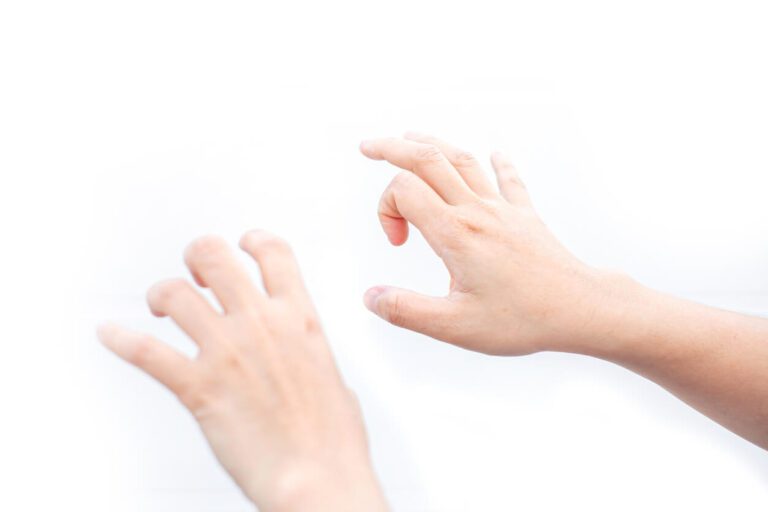
The best treatment for trigger finger typically begins with conservative methods such as rest, specialized splints, and physical therapy. If symptoms do not improve, medical professionals often recommend corticosteroid injections to reduce inflammation. Severe cases that do not respond to non-operative treatments may require surgical intervention to release tension in the affected tendons. In short,…
Can Custom Orthotics Help Morton’s Neuroma Pain?
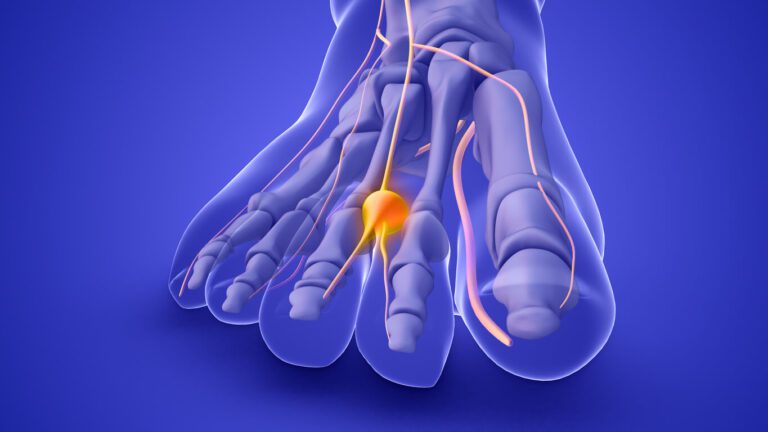
Custom orthotics are highly effective at relieving pain caused by Morton’s neuroma. They work by separating the foot bones and reducing pressure on the affected nerve. Customized insoles significantly reduce pain scores and improve foot function when combined with proper footwear. In short, Custom orthotics separate foot bones to decrease nerve compression. Supportive devices help…
Common Causes of Tendinitis of the Foot
Learning about the causes of foot pain can help you find relief and heal faster. In short, Overuse causes injury. Repeating the same motion places severe stress on your tendons. Bad shoes hurt. Wearing shoes without proper support strains the muscles and ligaments. Foot structure matters. Having flat feet or high arches increases your daily…
Can You Walk on It? Sprained Ankle Treatment Dos and Don’ts
Whether you can walk on a sprained ankle depends entirely on the severity of your injury. In short, Assess the severity. You must determine the grade of the sprain before placing any weight on the joint. Rest is vital. You need to rest the affected area immediately to prevent further ligament damage. Rehabilitation restores mobility….
How Does Physical Therapy Manage Spinal Stenosis Pain?
In short, Physical therapy is a cornerstone of spinal stenosis management, offering a non-invasive way to reduce pain and improve mobility. It focuses on strengthening core muscles, enhancing flexibility, and relieving nerve pressure to support long-term spinal health. Personalized treatment plans empower patients to regain function and maintain an active lifestyle. Spinal stenosis can be…
Can Occupational Therapy Help With Carpal Tunnel Syndrome?
Yes, occupational therapy can be a highly effective approach for managing your hand and wrist pain. Reduces pressure and pain. Therapists use specific exercises to decrease nerve compression. Improves daily hand function. You will learn new ways to perform tasks without causing strain. Prevents the need for surgery. Early intervention can stop symptoms from getting…
How Is Spinal Stenosis Effectively Managed?
In short, Spinal stenosis management focuses on relieving symptoms and improving daily function. Conservative treatments, such as physical therapy, are typically the first step. Surgery is considered for severe cases when other methods fail. Introduction to Spinal Stenosis Management Effective spinal stenosis management is essential for individuals experiencing discomfort and difficulty with daily activities. This…
Can Physical Therapy Relieve Chronic Back Pain?
In short, Back pain is a widespread issue, often limiting daily activities. Physical therapy for back pain effectively reduces pain and improves movement. Early intervention with physical therapy can help prevent chronic back pain. Understanding Back Pain Back pain is a common condition that affects most adults at some point in their lives. It can…
What is Muscle-Sparing Knee Surgery?
In short, muscle-sparing knee surgery is a minimally invasive technique that avoids cutting major muscles. Preserves muscle tissue. The surgeon works around the quadriceps muscle rather than cutting through it, which maintains the structural integrity of the knee. Accelerates recovery time. Patients typically experience a faster return to daily activities and walking because the muscle…