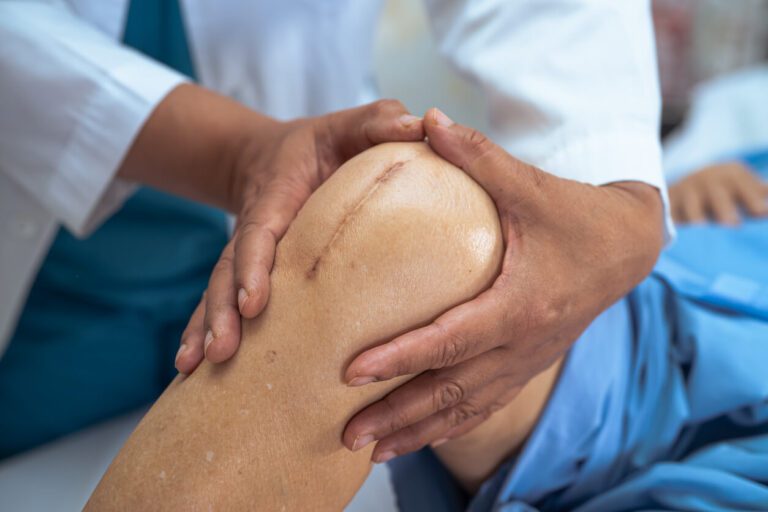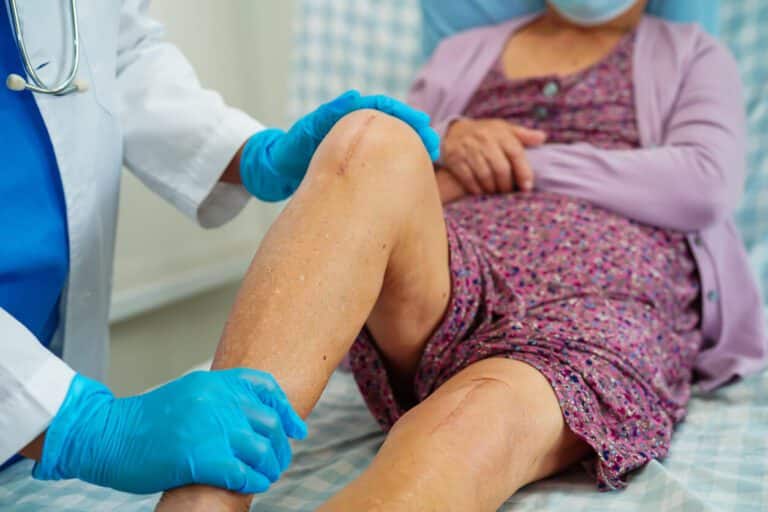

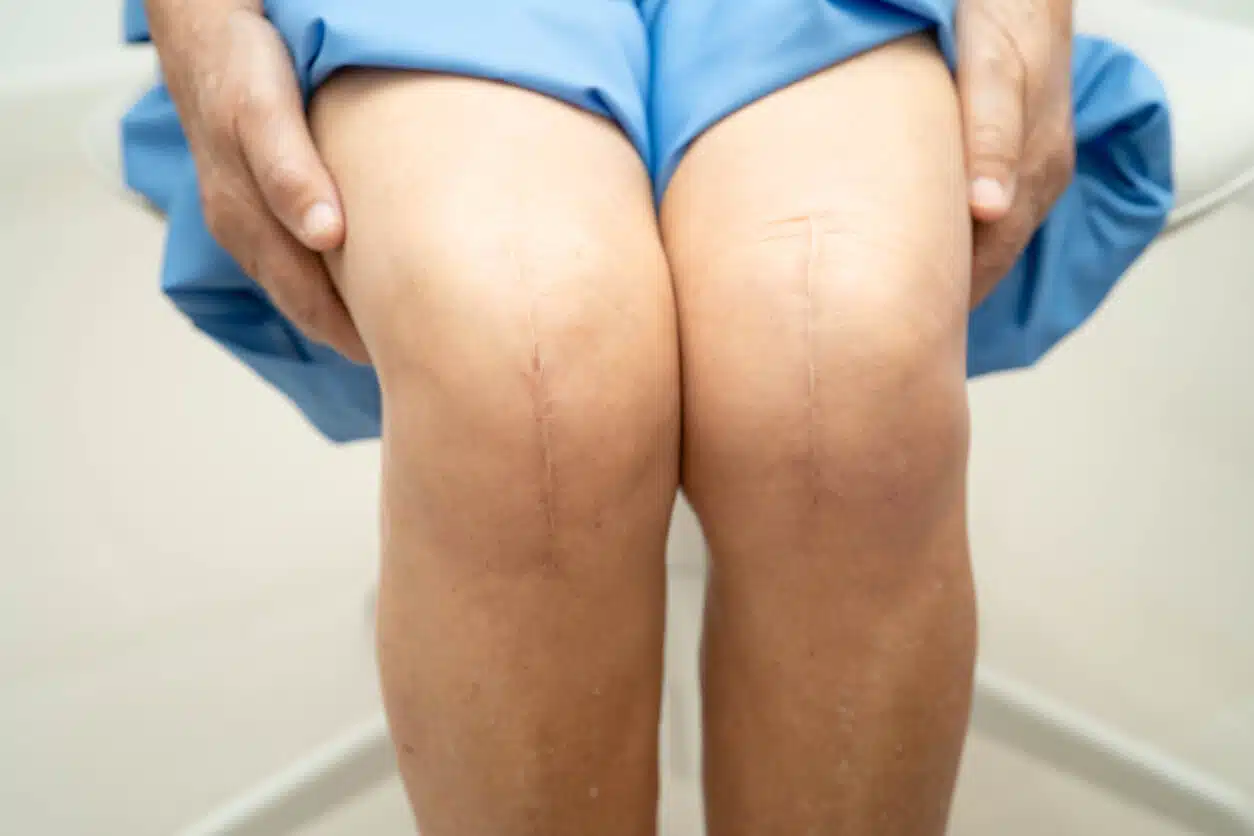
Muscle-sparing knee replacement is recommended for patients with knee arthritis, osteonecrosis, rheumatoid arthritis, or severe knee injury when conservative treatments no longer provide relief. In short, Knee pain that makes it hard to walk, climb stairs, or even stand up from a chair is not something anyone should have to accept as permanent. About 790,000…
muscle sparing knee replacement
What is Muscle-Sparing Knee Surgery?
In short, muscle-sparing knee surgery is a minimally invasive technique that avoids cutting major muscles. Preserves muscle tissue. The surgeon works around the quadriceps muscle rather than cutting through it, which maintains the structural integrity of the knee. Accelerates recovery time. Patients typically experience a faster return to daily activities and walking because the muscle…
What Kind of Physical Therapy Do You Need After a Knee Replacement?
In short, a structured rehabilitation plan is the most effective way to regain full function of your knee. Early movement is vital. You will likely begin standing and walking with assistance within the first twenty-four hours after surgery. Consistency builds mobility. Performing specific exercises several times a day prevents scar tissue buildup and improves range…