
In short, Physical therapy is a cornerstone of spinal stenosis management, offering a non-invasive way to reduce pain and improve mobility. It focuses on strengthening core muscles, enhancing flexibility, and relieving nerve pressure to support long-term spinal health. Personalized treatment plans empower patients to regain function and maintain an active lifestyle. Spinal stenosis can be…
Can Occupational Therapy Help With Carpal Tunnel Syndrome?
Yes, occupational therapy can be a highly effective approach for managing your hand and wrist pain. Reduces pressure and pain. Therapists use specific exercises to decrease nerve compression. Improves daily hand function. You will learn new ways to perform tasks without causing strain. Prevents the need for surgery. Early intervention can stop symptoms from getting…
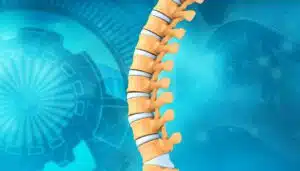
How Is Spinal Stenosis Effectively Managed?
In short, Spinal stenosis management focuses on relieving symptoms and improving daily function. Conservative treatments, such as physical therapy, are typically the first step. Surgery is considered for severe cases when other methods fail. Introduction to Spinal Stenosis Management Effective spinal stenosis management is essential for individuals experiencing discomfort and difficulty with daily activities. This…
Can Physical Therapy Relieve Chronic Back Pain?
In short, Back pain is a widespread issue, often limiting daily activities. Physical therapy for back pain effectively reduces pain and improves movement. Early intervention with physical therapy can help prevent chronic back pain. Understanding Back Pain Back pain is a common condition that affects most adults at some point in their lives. It can…
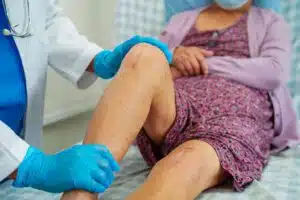
What is Muscle-Sparing Knee Surgery?
In short, muscle-sparing knee surgery is a minimally invasive technique that avoids cutting major muscles. Preserves muscle tissue. The surgeon works around the quadriceps muscle rather than cutting through it, which maintains the structural integrity of the knee. Accelerates recovery time. Patients typically experience a faster return to daily activities and walking because the muscle…
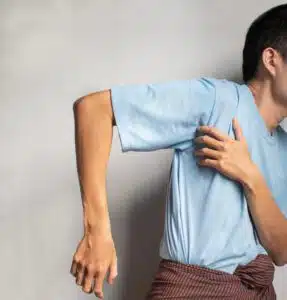
Frozen Shoulder Medical Treatment Explained
In short, finding relief from shoulder stiffness and pain requires a tailored approach to care. Early diagnosis is key. Recognizing symptoms early leads to better outcomes. Non-surgical options work. Most patients improve without needing an operation. Consistency aids recovery. Daily exercises are vital for restoring motion. Finding the right frozen shoulder medical treatment is essential…
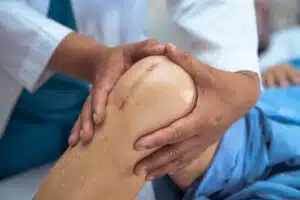
What Kind of Physical Therapy Do You Need After a Knee Replacement?
In short, a structured rehabilitation plan is the most effective way to regain full function of your knee. Early movement is vital. You will likely begin standing and walking with assistance within the first twenty-four hours after surgery. Consistency builds mobility. Performing specific exercises several times a day prevents scar tissue buildup and improves range…
Is the Anterior Approach the Newest Technique for Hip Replacement?
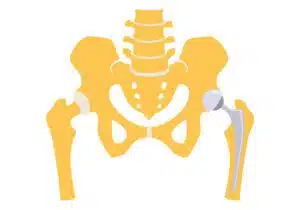
No, it is not new. While often marketed as “cutting-edge,” the anterior approach for total hip replacement has actually been around for decades, though it has gained renewed popularity recently due to improved surgical instruments. Less muscle damage. This technique allows surgeons to work between muscles rather than cutting through them, potentially leading to faster…
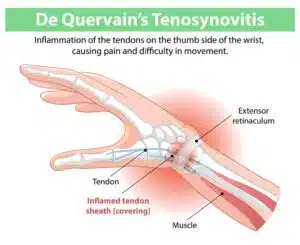
What Is De Quervain’s Tenosyvitis? Your Therapy Options
In short, De Quervain’s tenosynovitis causes pain on the thumb side of your wrist. Splints and therapy often relieve symptoms. Consult a doctor if pain persists despite home care. De Quervain’s tenosynovitis causes pain on the thumb side of the wrist, but it’s important to know that under a doctor’s care, you may be able…
Steps to Take If You Have Aching Wrist Pain
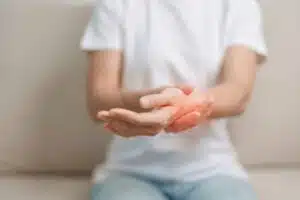
In short, Wrist pain stems from repetitive strain, injuries, or conditions like arthritis. Physically demanding jobs increase susceptibility. Consult a doctor for persistent, worsening pain that limits daily activities. Aching wrists can impact your everyday activities, which can make normal chores or activities (like cooking and cleaning) more difficult. At The Bone & Joint Center,…