



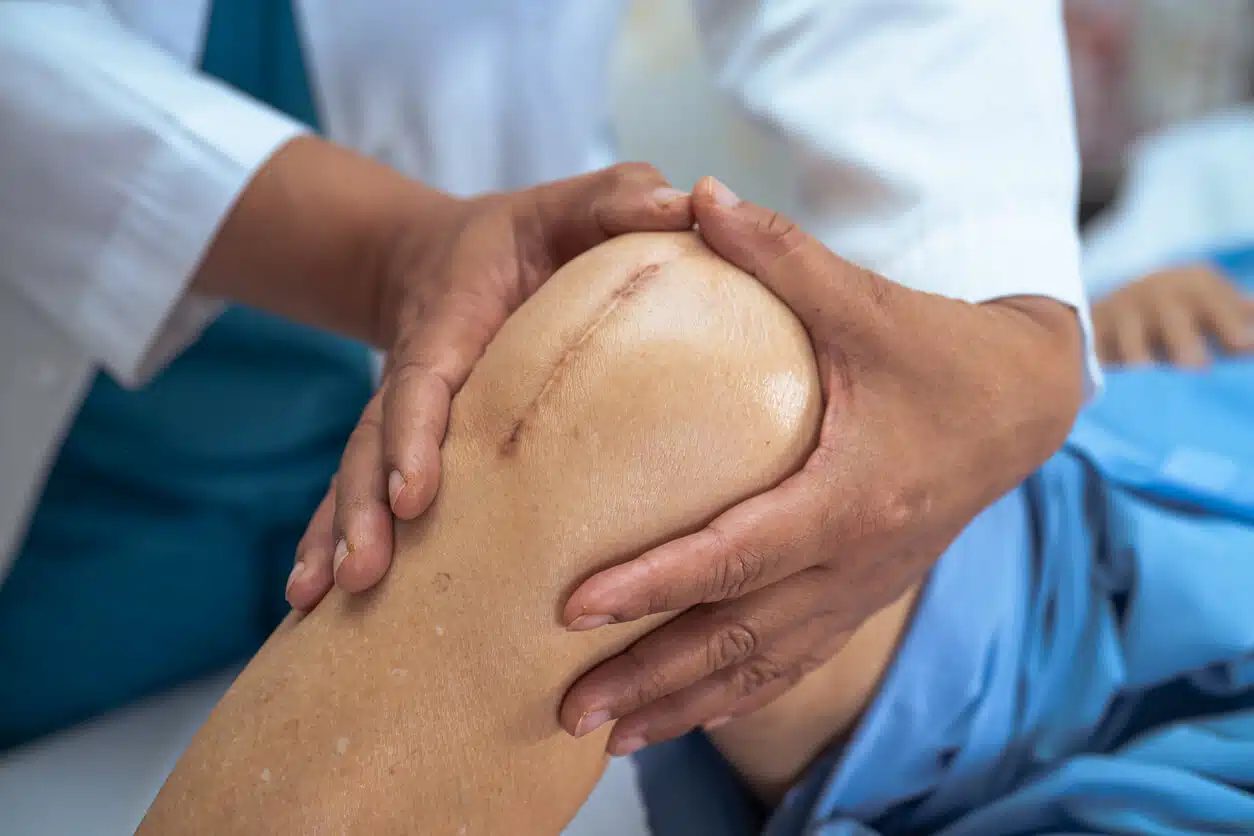
In short, muscle-sparing knee surgery is a minimally invasive technique that avoids cutting major muscles.
- Preserves muscle tissue. The surgeon works around the quadriceps muscle rather than cutting through it, which maintains the structural integrity of the knee.
- Accelerates recovery time. Patients typically experience a faster return to daily activities and walking because the muscle does not need to heal from a surgical incision.
- Reduces post-operative pain. Minimizing trauma to the soft tissues results in less pain and a decreased reliance on narcotic pain medication after the procedure.
Muscle-sparing knee replacement is a sophisticated surgical option that aims to relieve chronic joint pain while preserving the natural anatomy of the leg. This procedure has gained popularity among patients who wish to return to an active lifestyle as quickly as possible. Unlike traditional methods, this approach focuses on protecting the vital tendons and muscles that control knee movement.
What is Muscle-Sparing Knee Replacement?
Muscle-sparing knee replacement is a minimally invasive surgical technique used to treat severe arthritis of the knee. The primary goal is to replace the damaged surfaces of the knee joint with artificial implants without cutting the quadriceps tendon.
In a standard knee replacement, the surgeon must cut through the tendon of the quadriceps muscle to access the joint. This allows for excellent visibility, but it also disconnects the power source of the knee. The muscle must then be stitched back together, which requires a significant healing period.
The muscle-sparing approach utilizes a different entry point. The surgeon accesses the knee joint by sliding instruments under or around the quadriceps muscle. This keeps the muscle attachment to the kneecap (patella) intact throughout the entire operation.
Because the muscle is not cut, the knee retains its strength immediately after surgery. This is the fundamental difference that drives the benefits of muscle-sparing knee replacement.
How Does The Procedure Work?
The surgery involves precise planning and the use of specialized instruments. The surgeon makes an incision on the front of the knee, which is often smaller than the incision used in traditional surgeries.
Once the skin incision is made, the surgeon identifies the muscles and tendons. Instead of cutting through the vastus medialis (a part of the quadriceps), the surgeon lifts or pushes the muscle to the side. This is often referred to as the “subvastus” or “midvastus” approach.
Through this window, the surgeon removes the damaged bone and cartilage from the femur (thigh bone) and tibia (shin bone). The artificial components are then cemented or press-fit into place to create a smooth, new joint surface. A plastic spacer is inserted between the metal parts to ensure smooth gliding.
The Anatomy of the Knee
Understanding the anatomy of the knee helps explain why sparing the muscle is so beneficial. The knee is a hinge joint where the femur meets the tibia. The patella sits in front of the joint to protect it.
The quadriceps muscle group is located on the front of the thigh. It is responsible for extending or straightening the leg. This action is essential for walking, standing up from a chair, and climbing stairs.
When this muscle group is compromised during surgery, the brain inhibits the muscle from firing correctly due to pain and trauma. By leaving the muscle intact during muscle-sparing knee replacement, the patient retains better control over the leg immediately upon waking up.
Key Differences Between Traditional and Muscle-Sparing Surgery
There are distinct differences between these two surgical strategies.
Surgical Exposure
Traditional total knee replacement uses a “medial parapatellar” approach. This requires splitting the quadriceps tendon to flip the kneecap over for access. It provides the surgeon with a wide view of the joint but causes significant soft tissue trauma.
Muscle-sparing knee replacement uses a smaller window for access. The surgeon must be highly skilled to work within this tighter space. However, the reduction in soft tissue damage is significant.
Recovery Speed
Recovery from traditional surgery can take several months. The cut tendon requires roughly six weeks just to heal enough to handle full strength. Patients often require a walker or a cane for weeks.
With muscle-sparing techniques, the structural support of the knee remains intact. Many patients walk without assistive devices much sooner, sometimes within a week or two.
Benefits of Muscle-Sparing Knee Replacement
The advantages of this approach extend beyond just the surgical technique. They translate into tangible improvements in the patient’s quality of life during recovery.
Reduced Pain And Medication Use
Because the muscle is not cut, there is less internal bleeding and swelling. This reduction in pain often correlates with a lower need for opioids and other strong pain relievers.
Faster Return To Function
Patients are often encouraged to walk on the same day as their surgery. The intact quadriceps muscle allows for an immediate active straight leg raise, which is a key milestone in physical therapy. This early mobilization helps prevent complications like blood clots.
Improved Range Of Motion
Scar tissue can limit how much a knee can bend or straighten. By minimizing the trauma to the quadriceps, there is typically less scarring. This can lead to a more natural feeling knee and a better range of motion post-surgery.
Who Is a Candidate for This Surgery?
Not every patient is suitable for a muscle-sparing knee replacement. It is a technically demanding procedure that requires specific anatomical conditions.
Weight and Muscle Mass
Patients who are extremely muscular or have a high body mass index (BMI) may not be ideal candidates. Excess soft tissue can make it difficult for the surgeon to see the joint without cutting the muscle.
Degree Of Deformity
If the knee has a severe deformity, such as a major knock-knee or bow-leg, the surgeon may need the wider exposure of a traditional approach. This ensures they can correctly realign the limb.
Previous Surgeries
Patients who have had previous knee surgeries or have hardware in the knee may require a traditional incision. Scar tissue from prior operations can alter the anatomy and make muscle sparing techniques risky.
Risks and Considerations
While muscle-sparing knee replacement offers many benefits, it is still a major surgery. Like all surgical procedures, it carries inherent risks that patients must accept.
Infection and Blood Clots
Infection is a risk with any joint replacement. Surgeons use antibiotics and sterile techniques to mitigate this. Blood clots (deep vein thrombosis) can also occur, though early movement helps reduce this risk.
Technical Challenges
Because the visibility is limited compared to traditional surgery, there is a risk of component malposition. If the implant is not aligned perfectly, it can wear out prematurely. It is crucial to choose a surgeon who specializes in muscle-sparing techniques.
Nerve Injury
The nerves surrounding the knee can be stretched or compressed during the surgery. This is a rare complication but can lead to numbness or weakness in the leg.
Preparing for Your Surgery
Preparation is key to a successful outcome. Patients should take steps to optimize their health before entering the operating room.
Medical Optimization
Ensure that chronic conditions are managed. For example, if you have diabetes, your blood sugar levels must be under control. High blood sugar can increase the risk of infection and slow healing.
Home Preparation
Set up your home to minimize fall risks. Remove loose rugs and ensure that walkways are clear. Prepare meals in advance so that you do not have to cook immediately after returning home.
Pre-habilitation
Some surgeons recommend “pre-hab,” or physical therapy before surgery. Strengthening the upper body and the non-operative leg can make using a walker or crutches easier during recovery.
Muscle-Sparing Knee Replacement in Bismarck, ND
Living with chronic knee pain can limit your ability to enjoy life. If you believe you might be a candidate for muscle-sparing knee replacement, do not wait to seek professional advice.
Our team at The Bone & Joint Center is dedicated to providing advanced orthopedic care tailored to your specific needs. We specialize in minimally invasive techniques that prioritize your recovery and long-term mobility.
Call us at (701) 946-7400 to learn more about our services or to schedule an appointment with one of our specialists. Take the first step toward a pain-free life today.
